Challenges & Opportunities
Comparing Methods to Plan for Public Facilities – The 2026 $150 Million Bond Compared to the 2002 Tigard Public Library – Case Study
In May 2026, Tigard voters rejected a $150 million bond for a new public safety and public works facility on Wall Street. Before securing voter approval, the city had already spent aggressively: it bought the land in 2024 for $13 million, hired a financial advisor, awarded a project director contract worth more than $1.2 million, and approved a $7.87 million design contract so construction could begin in July 2026.
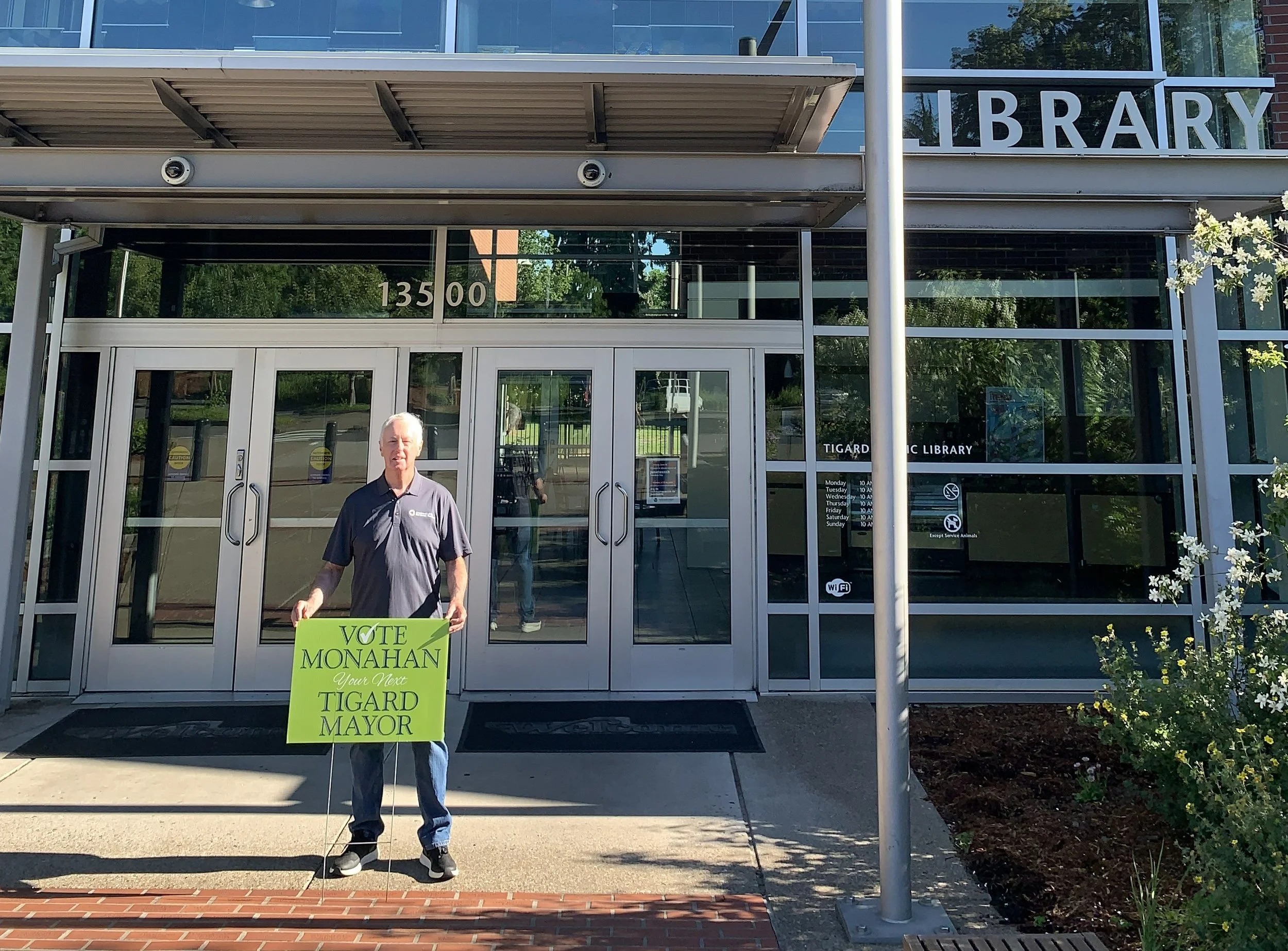
Before the vote, the city expected to spend $4.1 million on design services, with the rest contingent on bond approval. Still, it committed major consultant funding to an unapproved project, while the land has been off the tax rolls since 2024. This contrasts sharply with Tigard’s last major bond-funded building project: the Tigard Public Library.
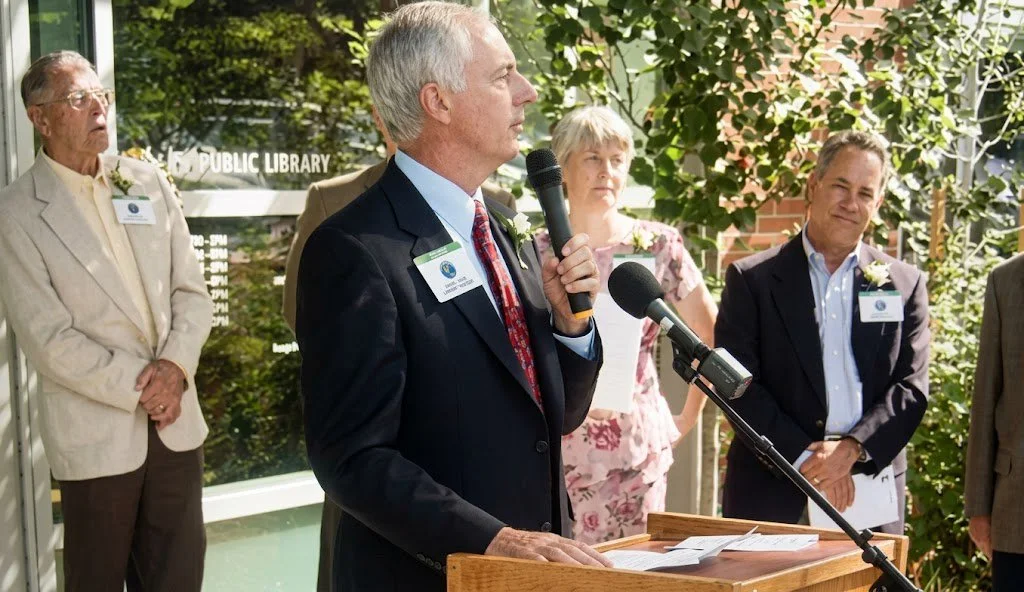
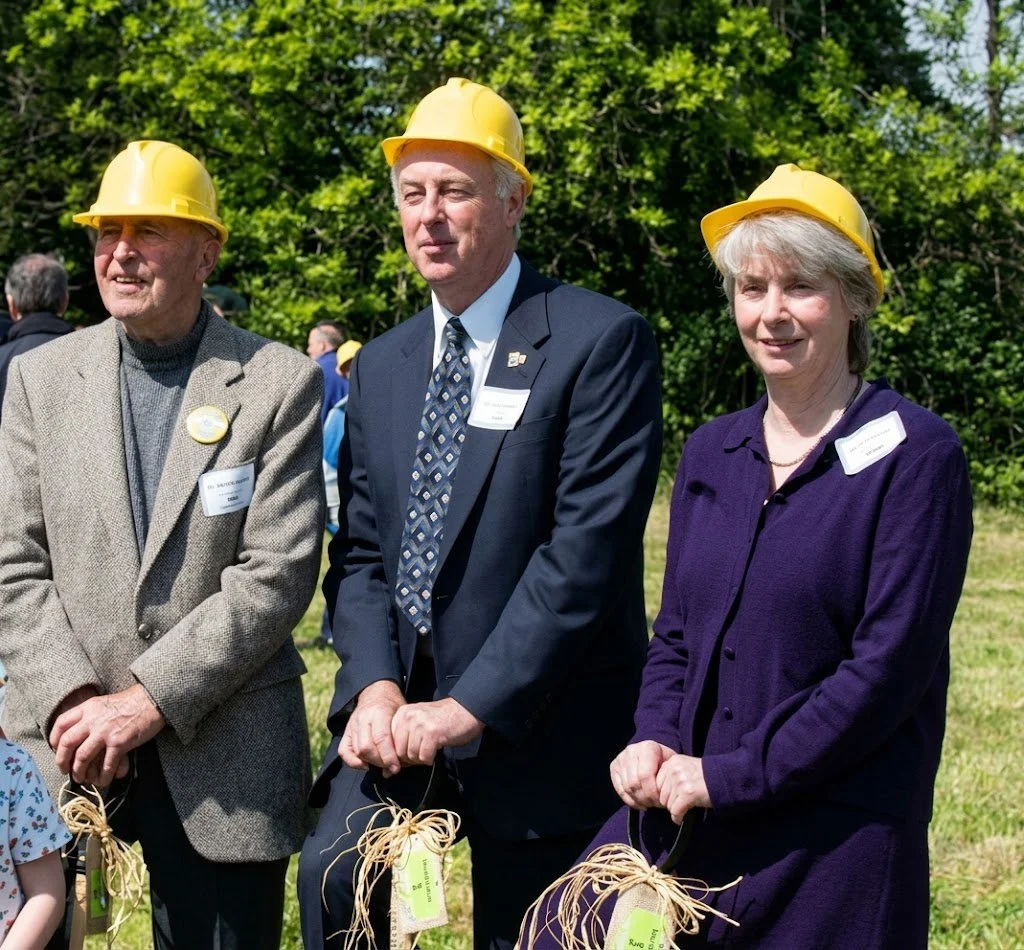
I was Tigard’s city manager in 2002, when voters approved the library measure. Before Measure 34-47, the council followed best practices: it optioned land, funded a modest needs analysis, and hired an architect to create a project model. Then-Library Director Margaret Barnes and citizen volunteers used that model to build community support. Voters approved the $13 million measure, allowing the city to acquire the property and design, build, and furnish an approximately 47,000-square-foot library.
In 2026, the city put substantial public money at risk, possibly nearly $20 million—without a guarantee of success. After voters rejected the plan, the council must decide whether to keep the overpriced 2024 site or pursue alternatives.
The council must now choose whether to keep property once identified for future private-sector job creation, or sell it and find better sites for city facilities. This avoidable dilemma could have been prevented by following the more prudent 2002 library approach.
Several questions remain. How were consultant costs paid? If the city now needs new site plans, earlier spending—especially on design and testing—may be wasted. If dedicated utility funds were borrowed and used for the land and consultants, which needed projects were delayed? Voters deserve transparency about the failed measure’s true cost.
How much was wasted on a bond measure that could have been avoided? The 2002 library bond model offered more transparency and less risk. Council leadership should have recognized the better path.
The Value of Volunteerism in the Community
Bill believes community volunteerism is both a privilege and an opportunity for every citizen. Giving back benefits volunteers, the broader community, and people in need—a philosophy he has lived throughout his adult life.
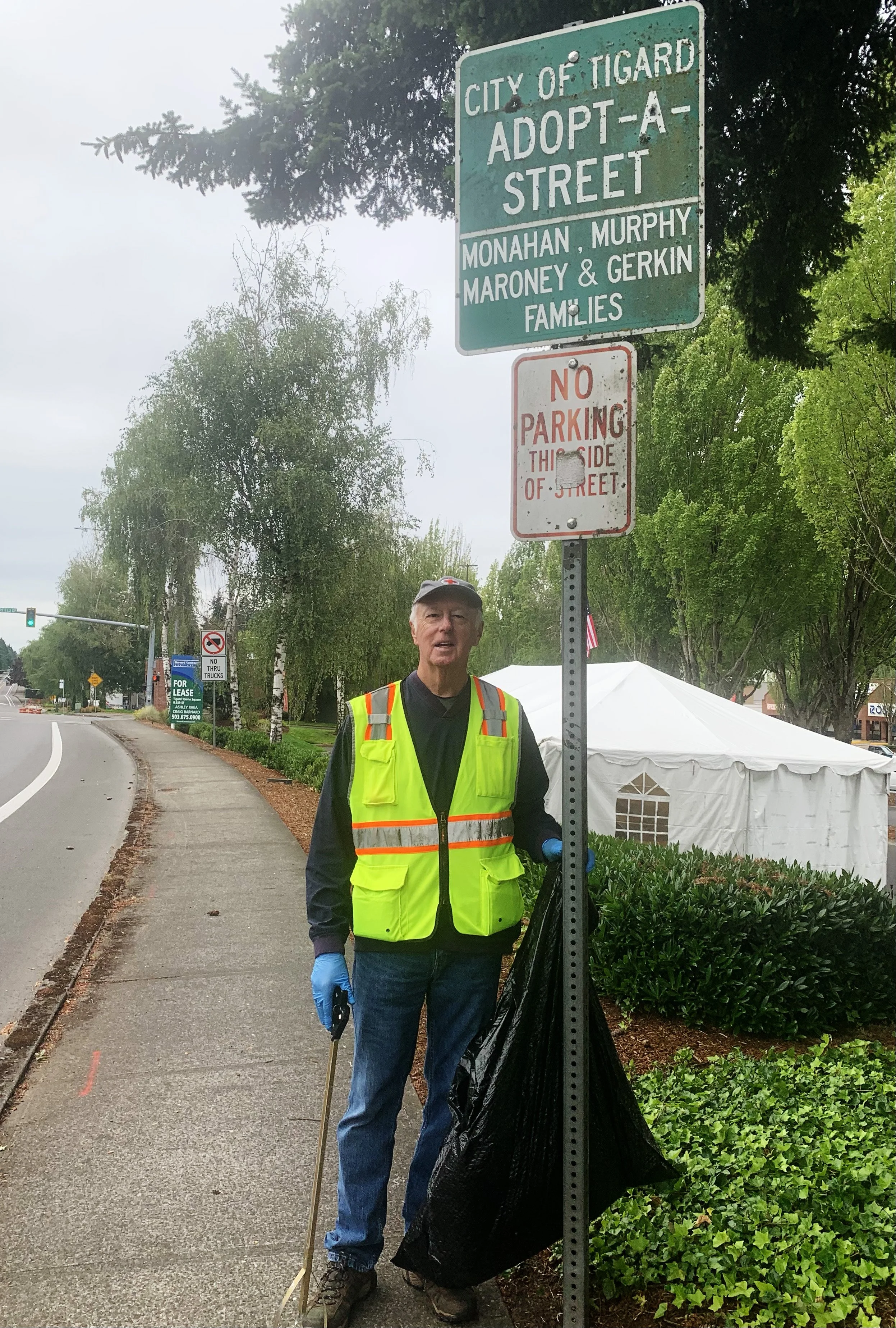
In Tigard, Bill has volunteered at numerous events through Tigard Rotary, the Team Tigard employee group from his time as city manager, and the Durham Road Adopt-A-Street team formed in the late 1990s. He and his wife, Linda, still collect litter along Durham Road each month, continuing a commitment of more than 25 years.
During Bill’s tenure as Tigard’s city manager, the city expanded volunteer opportunities beyond the library’s traditional programs. It hired a volunteer coordinator, and each department appointed a staff member to help develop department-specific roles. Over time, non-library volunteer hours grew until they rivaled the library’s established participation. Departments that were initially skeptical found meaningful ongoing and one-time projects that supported staff and helped community members. Community partners also hosted events where city volunteers contributed, while those organizations, in turn, supplied volunteers for city-led projects.
As mayor, Bill plans to lead by example by dedicating time to strengthening the city’s volunteer opportunities. He understands that volunteers often gain as much from service as the community and recipients do. Active participation strengthens citizenship and deepens connection to the community.
Since you asked!
Some of the best conversations start with a simple question.
Ask me anything—about my work, ideas, experiences, or anything you're curious about. I'll do my best to answer your question thoughtfully and honestly.